Friday, 22 April 2011

Angles- The Strokes


New Yorkers fail to reverse career decline on their fourth

2011 finds The Strokes in a strange place. Topping endless “best of the decade” lists last year with endlessly influential debut Is This It, two lacklustre follow ups leave the question posed on said album seem even more appropriate. After nearly half a decade away, the New Yorkers need Angles to be a masterpiece.

So is this the album to improve The Strokes’ fortunes? In a word, no. For any other band, this would be a half decent return, but the weight of expectation has dented its impact, in a depressingly inevitable way.

Moments of greatness are still in evidence. First single Under Cover Of Darkness is a bold attempt to recapture the thrill and rush of their early singles- Julian Casablancas singing in his trademark sarcastic drawl, as the guitar work of Nick Valensi and Albert Hammond Jr scorch the earth. Opener Machu Picchu also does well to set the scene: bright, exciting and full of fire, with Casablancas’ talking of a “mountain to climb”. You’re telling us...

The opener is also an indication of the newest element on show: synths. Clearly influenced by the pop electronic work of Casablancas’ quietly brilliant solo debut, it means that rather predictably, the 80s are in. While they imported the keyboards, they’ve clearly left behind the soul and lust for life, as songs like Games and Two Kinds of Happiness feel like hollow and tired impressions of that era. You’re So Right is worst of the lot- a droning, low-key and forgettable dirge.

The new moves pay off on two tracks: Taken For A Fool marries up the new elements nicely: the band finally sound engaged and it’s filled with a seemingly endless array of indie-pop hooks. Call Me Back brings it all down to a more introspective level, a simple sound masking unsettling backing vocals and surprisingly complex arrangements.

Julian Casablancas has always sounded bored, which against the tightly wound guitars and drums is part of what made The Strokes great . But for the first time, the rest of the band has a degree of listlessness too. Personal disagreements that have been well documented do explain why they sound so bereft of ideas. It goes little way to help them in a year that their clearest acolytes The Vaccines have put indie back on the map. The Strokes really needed to pull it out the bag. For the most part, Angles fails to deliver.

2/5

Best Tracks:
Machu Picchu
Call Me Back
Under Cover Of Darkness

Wounded Rhymes- Lykke Li


None blacker for Scandanavian chentuese’s second...

In you case you don’t recognise the name; Lykke Li is responsible for one of the best pop debuts in recent memory- 2008’s Youth Novels. However, coming to prominence at the same time as fellow Swede Robyn meant Li’s brand of sweet and edgy pop failed to make an impact of the wider public.

Second time around, Wounded Rhymes is everything a great sophomore effort should be: darker, more mature and willing to explore new territory. Out go the coquettish and coy lyrics, leaving behind the more throwaway acoustic laments, and in comes deadpan humour, and songs dripping in dead-eyed sex and heartbreak.

Last year’s first taster Get Some was a great omen for Wounded Rhymes. Dark, brooding and intense, it’s beautifully out of step with modern pop trends: far from gleaming, it’s rough and raw. With a powerhouse beat and huge chorus, it’s the song that finds Lykke Li move from girl to woman, reclaiming her sexuality as “your prostitute”.

It’s a big act to live up to, and sadly nothing else on the record quite reaches these dizzying pop heights, but there’s still plenty to savour. Second single I Follow Rivers and opening gambit Youth Knows No Pain show off a new found ambition, with more choruses purpose built for the Radio 1 playlist. Everything else finds the album is shrouded in gloom, and it’s the most downbeat moments that stick in the head the most. Unrequited Love and Sadness Is A Blessing are especially sad, while Jerome and Silent My Song showcase a damaged and hurt person, but one fully in control of her own emotions.

The comparisons to Robyn are perhaps inevitable. Although she shares her nous for a pop song and all-conquering independence, gothic hints and a more earthy version of the hurt bruised sensuality of Kate Bush combine to make Lykke Li an original artist all of her own.

4/5

Best Tracks:
Get Some
Unrequinted Love
Jerome
Sadness Is A Blessing

Wednesday, 6 April 2011

Wasting Light- Foo Fighters


World’s biggest rock band goes back to basics for career-defining seventh...

For a man who has made a career out of escaping a very large shadow, Dave Grohl has made some odd decisions on Foo Fighters’ latest. Namely, he’s employed the services of three key Nirvana players: touring guitarist Pat Smear has returned full time, Krist Novoselic plays accordion on one track, while behind the desk sits Nevermind producer Butch Vig.

After successfully finding distance and becoming a bonafide rock god at 2008’s Wembley shows, it seems a strange time for Dave Grohl to return to those days. However, Wasting Life isn’t an album about dining out on the past: it’s about accepting it. It’s a shame then that the work of Vig and Novoselic have hogged headlines ahead of release. The big news here really is that this is the best adult hard rock album since Queens Of The Stone Age’s Songs For The Deaf nearly a decade ago, as well as being the most complete Foo Fighters album yet.

Despite unhappy rumblings in the camp in the run up to Wasting Light’s release (mostly over the accompanying documentary Back & Forth), this is the most unified the band have sounded. Dave is still very much leader of the pack, but the return of Pat Smear has clearly had a big impact, as when it wants to rock out, the guitars on Wasting Light are huge. Those disappointed by the lacklustre, disjointed and strangely weightless first single Rope have nothing to worry about as it’s the weakest thing here. Everything else carries real power and strength, without ever quite being the balls-to-the-wall hardcore that was talked up during recording. The only concession to this claim is gleeful screamer White Limo: coming in with big riffs, and throaty vocals- the Foos are having a blast. Bridge Burning is the other big, exhilarating track, and is a wonderful statement of intent: the band are tight, and it stands out a mile in an era lacking big rock anthems.

Elsewhere, the best moments find Grohl opening up as a songwriter. Always afraid to show us the real Dave behind the “nicest man in rock” enigma, posturing is forced out as a mood of often tender reflection bounce off the big guitars. These Days finds Dave in conversation with himself, showing a man plagued by self-doubt and tragedy: “I said it's alright/Easy for you to say”. Dear Rosemary, a duet with Bob Mould from Grohl heroes Husker Du, finds vocals at their most nakedly emotional.

Best of the lot stands as I Should Have Known: a restrained and heartbreaking lament to a friend Grohl lost to overdose in 2008. Novoselic’s appearance on it will raise obvious misinterpretations, but the maturity and emotion in the melodies allow it to rise above this, while it’s lingering regret (“I can not forgive you yet”) make it a definite Everlong beater, and possibly the best song the band have recorded.

It’s far from a perfect album- the usual Foo filler makes an appearance. Tracks like Back & Forth and Arlandria carry pretty McCartney-esque hooks, but amongst other stronger material they come up lacking. Despite this, it’s a powerful album for a band who have always been better at singles. During its best moments, Wasting Light makes you forget the heavy weight of events past that hangs over everything Dave Grohl his done since 1994. Which is probably the whole point anyway.
4/5

Best Tracks:
I Should Have Known
Bridge Burning
Dear Rosemary
White Limo

Sunday, 3 April 2011

Different Gear, Still Speeding- Beady Eye


Same as it ever was for Liam & Co...

Well no one saw this coming. For his post-Oasis debut, Gallagher The Younger has gone Dubstep-electro with hints of Radiohead-tinged...

I’m joking obviously.

Different Gear, Still Speeding is exactly what Beady Eye as a band suggests: they sound exactly how Oasis would without the creative grip and songwriting nous of Noel Gallagher. It’s not what you could call a disappointment as such, mostly because it’s so bewildering in its crushing predictability. There’s certainly no attempt to rock the boat of what has already passed.

You’ll know the story of this album’s birth by now: Noel and Liam have one last fight; Noel disappears into the ether to be a father, while his younger sibling takes the rest of the band and attempts to reconnect with his roots.

Liam has painted Beady Eye’s first as an attempt at a version of a fierce debut from a new, young and exciting band. In many ways it’s worked. The whole thing sears with a raw and occasionally contagious energy that would shame bands half their age. This comes through best on two tracks: opening salvo Four Letter Word and piano-rocking Bring the Light. The former is as naughty as its brilliant title suggests, with some rather wonderful guitar work and Liam's Neanderthal snarl as full-bloodied as ever. Bring the Light meanwhile is pure forward momentum, sitting halfway between Paul Weller and Jerry Lee Lewis' piano punch. It’s certainly one of Liam’s best songs- closer to The Meaning of Soul than Little James. That’s as good as it gets though.

Oasis were known for shamelessly ripping off their idols (see Imagine’s piano in Don’t Look Back in Anger, or The Importance of Being Idle’s approximation of Sunny Afternoon), but Beady Eye take it to faintly ridiculous new levels. Instant Karma is lifted wholesale in unremarkable lead single The Roller, whilst Wind Up Dream is pure Let It Bleed-era Stones' creeping darkness. Liam was never the family’s best songwriter either, and he’s in his element here. All words are treated as a necessary evil; most songs filled with mindless gibberish, but it gets more embarrassing when Gallagher tries to get “deep”: The Morning Son’s title is cringe-inducing enough, but when we deal with words like “he’s in my mind/he’s in my soul/he’s even in my rock and roll” well...Dr Suess would like his rhyme scheme back, thank you.

None of this would matter too much, but what’s most maddening is that Gallagher is surrounded by talented people, all experienced enough to be able to stand up to him as quality control. Beatles And Stones, for instance (yes, he’s going there) is Liam’s grand folly: essentially declarations of greatness equaling long-held idols over a carbon-copy of the riff from My Generation. Why did no one say this wasn’t good enough?

As a starting point for a post-Oasis career, there is nothing on display to suggest a new voice or any attempt at something new. It all leaves the feeling of a slightly pointless exercise and an opportunity missed. Unless some of Beady Eye’s apparently incendiary live music finds its way onto record, Noel remains the one to watch.

2/5

Best Tracks:
Bring The Light
Four Letter Word

Tuesday, 15 March 2011

Build A Rocket Boys!- Elbow


Brace for landing: Guy Garvey and co have made their masterpiece

As tradition dictates, every generation needs an album to soundtrack it. You can go right back to the free love of 1967 and Sgt Pepper. 70s industrial strikes? Sex Pistols and Never Mind The Bollocks. 80s Thatcherite gloom? Where’s my copy of The Smiths’ The Queen Is Dead?

Step forward Elbow, proverbial “band-of-the-people” after the huge success of 2008’s Seldom Seen Kid. It was a fine album with telly’s ubiquitous anthem of choice One Day Like This among its riches. The stage is set for its grand follow-up: either an album aiming for stadiums, or their career-destroying Kid A moment.

Build A Rocket Boys! (their exclamation mark, not mine) is neither of these beasts, and thank goodness for that. What we have here is a distillation of everything that has been so great about Elbow over four albums: Guy Garvey’s down-to-earth and perfect songwriting; a sweeping, uplifting tone set against a monochrome background; and a dedication to not always doing it the easy way. It’s genuinely, without hyperbole, a masterpiece.

Opener The Birds is the ultimate scene-setter: not opting to push for epic grandstanding, it instead starts quiet, moody and shuffling, with Guy Garvey muttering about birds being “the keepers of our secrets”. This almost paranoid beginning flowers like the springtime he sings of, built around a looping acoustic guitar line. Eight minutes long but feeling like half that, it then explodes into warm bleeps and bloops and surging strings, before Garvey’s emotional, rich voice takes full flight.

It serves to highlight how far they’ve come as songwriters, a skill of theirs that hardly needed refining. Lippy Kids is by far Garvey’s greatest lyric, singing of the title characters “on the corner again”. In interviews, Garvey has said that he was put in reflective mood after moving home in the midst of writing this album, and it shows, looking back on his own experiences: “I never perfected that simian stroll.” When he sings “Do they know those days are golden?” it’s not with cynicism, but a show of support for this country’s youth against their detractors.

Elsewhere, Jesus Is A Rochdale Girl finds Garvey whispering in your ear, finding solace in “nothing to proud of, nothing to regret” as the album’s greatest addition to the mix bring in a new layer: keyboards. Craig Potter has always been there, but here he’s thrust forward, bringing prominent warmth to every track, and spine tingling piano to Neat Little Rows. The River and Open Arms are anthems for lost souls, the latter with choir keeping a door open should a friend return: “open arms for broken hearts like yours my boy, come home again.” Dear Friends is a powerful and tear-jerking finale, quietly finding solace in those around us, the band provide a big musical hug.

For the sake of reader sanity, that is where I will stop. But one could very easily dissect what’s wonderful about every single track. For those who still love their albums as single, whole works, BARB! is a wet dream. It’s exactly the album this country needs, searching through the bleak darkness for glimmers of optimism. Thank whoever you pray to for Elbow, the world can rest easier with them here.

5/5

Best Tracks:
Lippy Kids
The Birds
Dear Friends
Open Arms
Jesus Is A Rochdale Girl

Tuesday, 8 March 2011

Yuck- Yuck


Promising debut from shoegaze/grunge revivalists

Cajun Dance Party was one of THOSE bands. You know the type. Every now and then music publications tell you which indie bands will dominate the next few years’ landscape. Like Joe Lean And The Jing Jang Jong (remember them?) from the same sort of time, CDP never quite built on the fuss and threw it away.

From their ashes rise Daniel Blomberg and Max Bloom. They're throwing more straight-forward shapes in new band Yuck- great name with a nice little line in fuzzy, scuzzy indie, with the noise-love of Sonic Youth crossed with the melodies of Mazzy Star, and other grunge also-rans from the 90s.

It’s hardly a new proposition, and it has already been done far better, frankly. However, there’s enough verve and a few pop hooks on show here to create an enjoyable, if forgettable, first album stab.

Underneath the layers of distortion lies some great guitar work. Bloom and Blomberg make the instruments squeal and squall on The Wall, and the subtle acoustic lines that support Shook Down (as well as the rather lovely vocals) wouldn’t sound out of place on this year’s hip indie film soundtrack. Rhythm support from bassist Mariko Doi and drummer Jonny Rogoff do the job further down in the mix, but they hardly stand out.

Quieter tracks like Suicide Policeman and Sunday are a nice distraction, showing range and a degree of songwriting nous (“I just want to let you know/I could be your suicide policeman” is like a big man hug). In other moments, tracks like Georgia and Stutter show off another early-90s love of Yuck’s: shoegaze. It’s nice but, once again, Yuck are a little late to the party and it just puts better examples like Girls in mind. Yuck really work when they bring the rock.

This is found in abundance on The Wall and Holing Out- wonderful and slightly complex grunge at its best. Top of the pile though has to be closing track Rubber. With distorted vocals and an element of melody lurking beneath a wall of noise, its seven minutes build and build to a cacophony of sound cascading to the song’s climax. It’s their most Sonic Youth moment and it really shines.

Yuck isn’t an album that’s going to change the world, and it’s a revival movement that has been explored many times before. Despite this, the London quartet’s debut is fun and perfectly serviceable. Just don’t go in expecting fireworks.

3/5

Best Tracks:
Rubber
The Wall
Suicide Policeman

Friday, 4 March 2011

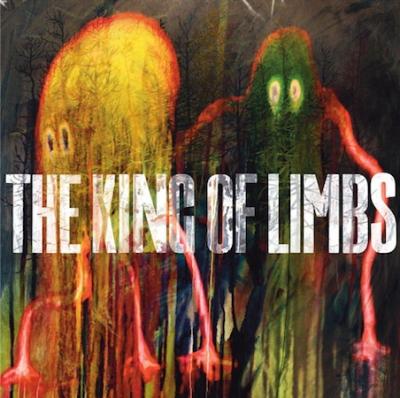
Radiohead- The King Of Limbs


Is it another masterpiece for the Oxford quintet? Almost...


Well wasn’t that fun? Yes, two weeks ago The Most Important Band In The World (TM) struck again, suddenly announcing the release of their new album, and then releasing it a day early for no good reason other than boredom it seems.

King Of Limbs follows the path of unconventional releases pioneered with Radiohead's previous album- 2008’s In Rainbows. Like that record, it has taken time for the fuss around the surprise to die down, allowing sole focus on the music. King Of Limbs also has the problem of following a genuine masterpiece: In Rainbows marked the point where Thom Yorke and co stopped trying to be machines, and invested in a little human emotion.

Unsurprisingly, this new album doesn’t quite live up to this billing. It’s not a huge step forward sonically- King Of Limbs for once is an exercise of evolution over revolution. It takes many of the ideas found on In Rainbows and develops them into new shapes. In many ways this is similar to what Amnesiac did with Kid A.

What is first noticeable is the absence of Johnny Greenwood’s guitar, an instrument having a renaissance on the last two records- his acoustic work on tracks like Faust Arp being a particular high. Here he’s only really heard front-and-centre on the scattered funk of Morning Mr Magpie, and minor acoustic flourishes on Little By Little and Give Up The Ghost. Even then, he can be tough to spot.

And this represents the only real problem with King Of Limbs: it doesn’t feel like a full-band effort. The man in control is clearly Thom Yorke, and it feels more like a solo piece by him. Feral, for instance, locates Radhiohead taking dubstep elements pioneered by Mr Yorke on his Eraser album. The album as a whole also shies away from more emotional lyrics, back into the absurd and cryptic (closer Separator finds Yorke claiming to be a fish now, for instance).

Two instruments work wonderfully though: Philip Selway’s avant-garde drumming is fresh and exciting, even on the quieter tracks. There’s also some of the band’s most beautiful piano work. Codex takes the framework of Pyramid Song from Amnesiac. It’s utterly involving yet ethereal and other-worldly at the same time. It’s this mood that dominates across the final three tracks. Separator, in particular, carries an almost positive sound not usually associated with Radiohead. Don’t let anyone label them miserablists.

There are other strengths: the spine-shivering brass that descends over Bloom is perfectly judged on a track that starts off a little muddled. It’s also unsurprising that Lotus Flower was the first “single” from King Of Limbs as it’s the only song to feature anything coming close to a chorus. It’s a chorus that soars, Thom Yorke’s sweet falsetto sitting atop a lolloping bassline.

If any other band released this album, it would be declared their masterpiece, and on first listen it carries that feeling. But as you live with the record, a slight sense of dissatisfaction creeps in: you’re left wondering how they took three years to create these 8 tracks- they’ve made better albums. This is a great Radiohead album- just not a life-changing one.

4/5

Best Tracks:
Codex
Seperator
Lotus Flower
Feral